
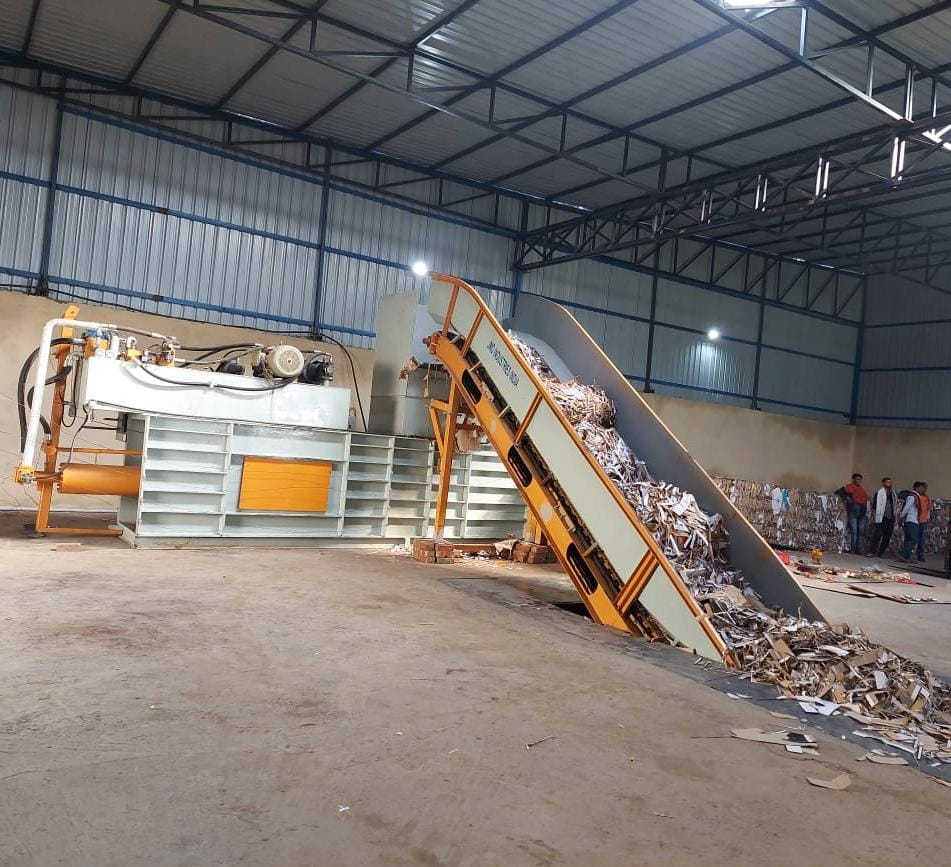
Agriculture Baler Machine Manufacturer for Straw, Hay and Crop Residue
High Utility Balers for Farm Waste Handling and Biomass Supply
An agriculture baler machine helps farms and agro-industries compress loose crop residue into dense, easy-to-handle bales for storage, transport, fodder use, and biomass applications. As an agriculture baler machine manufacturer, we focus on rugged construction, dependable hydraulics, and operator-friendly controls that support daily field and yard operations. These balers are widely used to manage paddy straw, wheat straw, hay, cotton stalk, sugarcane trash, maize stover, and similar biomass materials, helping reduce storage clutter and improving logistics for dairies, biomass users, and crop residue collection programs.
How an Agricultural Baler Works in Real Farm Conditions
The baling process starts with feeding straw or chopped residue into a compression chamber. A high-force hydraulic ram compacts material in repeated strokes to form consistent bale density. Once the target size is achieved, the bale is tied using wire or strapping and then ejected for stacking or loading. A well-designed crop residue baler reduces manual handling, supports cleaner farm premises, and enables structured collection of biomass from fields, helping streamline material movement from farm to storage yard or processing unit.
Types of Agriculture Baler Machines We Manufacture
- Straw Baler for Fodder: Suitable for hay and straw baling for dairy supply chains with easy stacking and storage.
- Crop Residue Baler: Designed for paddy straw, wheat straw, and mixed residue with dependable compaction output.
- Biomass Baler for Industrial Use: Supports baling for briquette and pellet plants by improving transport efficiency.
- Heavy Duty Agro Waste Baler: Built for seasonal high-volume residue collection with robust frame and stable operation.
Key Features of Our Agricultural Baling Solutions
- Strong Hydraulic Compression: Helps achieve dense bales for reduced transport trips and better storage management.
- Durable Structure for Field Use: Heavy-duty frame and components designed for dust, vibration, and long working hours.
- Uniform Bale Output: Consistent bale size and density for predictable stacking, loading, and downstream processing.
- Operator-Friendly Controls: Simple operation supports faster training and smoother daily use.
- Easy Maintenance Design: Practical access to key points helps reduce downtime during peak season.
Applications of Agriculture Baler Machines
- Dairy and Fodder Management: Compact baling supports clean storage and easier feeding logistics for hay and straw.
- Crop Residue Collection Programs: Efficient gathering and compaction of field residue for centralized handling.
- Biomass Fuel Supply Chains: Bale formation simplifies movement of straw and stover to briquette or pellet plants.
- Agro-Processing Units: Helps manage packaging residues and dry biomass materials in organized bale form.
Benefits of Choosing a Reliable Agriculture Baler Manufacturer
- Improved Farm Cleanliness: Baling reduces loose residue spread and helps keep yards and storage areas organized.
- Better Transport Efficiency: Dense bales reduce volume and lower logistics effort for long-distance movement.
- Reduced Manual Handling: Structured bales are easier to lift, stack, and load compared to loose material.
- Consistent Output for Buyers: Uniform bale quality supports biomass buyers and fodder distributors.
- Season-Ready Performance: Rugged build and dependable systems help during peak harvesting and residue seasons.
Selection Tips for the Right Agricultural Baler
- Match the baler to your main material type such as straw, hay, cotton stalk, or mixed crop residue.
- Plan capacity based on your daily collection target and storage or buyer dispatch schedule.
- Ensure easy access for routine checks like hydraulic oil level, filters, and wear points.
- Confirm tying method suitability for your handling and transportation setup.
FAQs – Agriculture Baler Machine Manufacturer
1. Which materials can an agriculture baler machine handle?
+
Agricultural balers can handle straw, hay, paddy residue, wheat straw, maize stover, sugarcane trash, cotton stalk and similar dry biomass materials depending on chamber design and compression setup.
2. What is the advantage of baling crop residue?
+
Baling converts loose residue into compact bales that are easier to store, stack, and transport, supporting fodder supply and biomass collection while improving farm cleanliness.
3. How do I decide the right baler capacity?
+
Select capacity based on your daily residue volume, collection manpower, available storage space, and the dispatch schedule to dairies or biomass buyers.
4. What basic maintenance is important for agricultural balers?
+
Regular checks include hydraulic oil level, filter condition, tightening of fittings, inspection of wear points, and keeping the chamber clean to maintain consistent bale formation.
Contact Details
Talk to our specialists today for tailored solutions and fast assistance.
Company:
Jmd Baler
WhatsApp:
Chat on WhatsApp
Email:
jmdindustries9412@gmail.com
Website:
www.jmdbaler.com
Address:
PLOT NO 71/72 Avdhesh industrial hub, Bhavda - Bakrol, Bhavda patiya, Ahmedabad, Gujarat.