
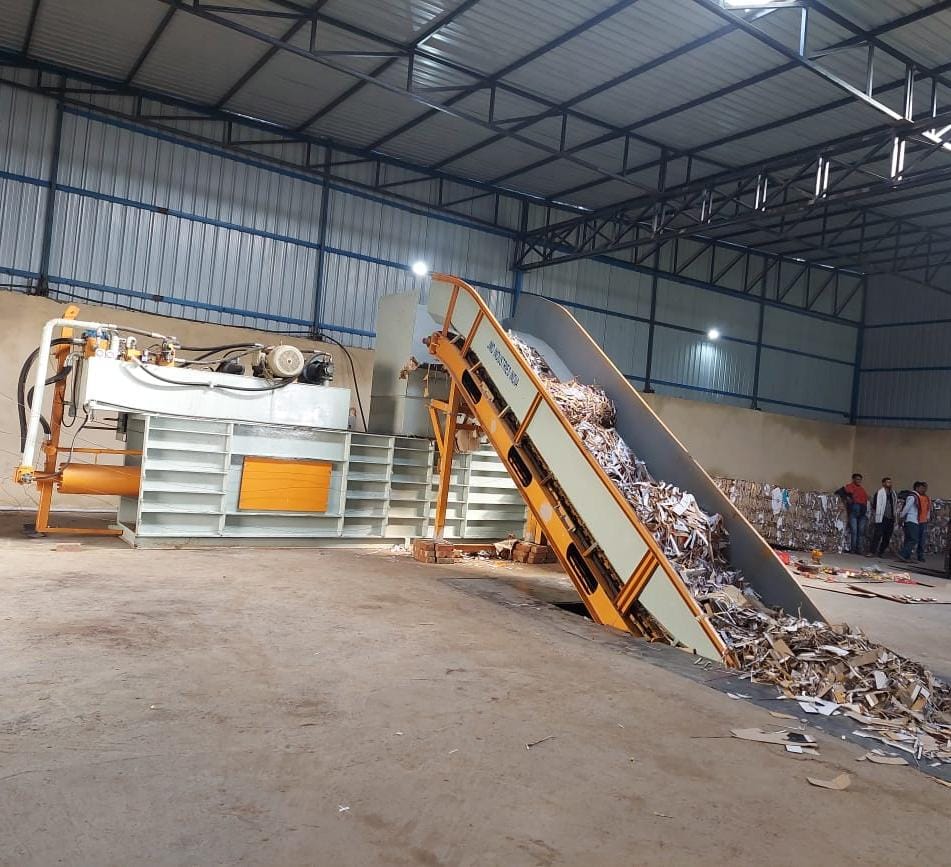
Baling Machine Uses and Manufacturer Guide
A baling machine is designed to compress loose waste into dense, tied bales that are easier to store, handle, and transport. Businesses use balers to manage cardboard boxes, paper, plastic film, PET bottles, textile scraps, and other recyclable materials. If you are searching for a baling machine manufacturer, focus on build quality, pressing force, bale weight output, safety systems, power consumption, and service support to ensure long-term reliability and smooth operations.
Why Choose a Trusted Baling Machine Manufacturer
A reliable manufacturer helps you select the right baler type based on your material, daily volume, and available space. The best manufacturers provide proper hydraulics design, rugged frames, consistent bale density, and dependable tying systems. They also offer installation guidance, operator training, preventive maintenance support, and readily available spares. Choosing the right manufacturer reduces downtime, improves workplace cleanliness, and makes recycling easier and more profitable.
Types of Baling Machines Offered by Manufacturers
- Vertical Baling Machines – Ideal for cartons, paper, and plastic film in warehouses, stores, and small recycling units where space is limited.
- Horizontal Baling Machines – Suitable for higher volumes and continuous feeding, commonly used by recyclers, logistics hubs, and manufacturing plants.
- Fully Automatic Balers – Automated feeding, compression, tying, and ejection for large-scale operations with consistent output and minimum manpower.
- Semi Automatic Balers – Practical choice for medium-volume users where loading is manual but compression and tying are simplified.
Key Features to Look for in a Baling Machine
- High Compression and Uniform Bale Density – Helps reduce storage space and lowers transport cost per bale.
- Strong Frame and Wear-Resistant Components – Heavy-duty structure for long service life in industrial environments.
- Efficient Hydraulics and Motor Setup – Stable pressure build-up with controlled energy usage for daily operation.
- Safe Operation Systems – Emergency stop, door safety interlocks, overload protection, and clear operator access.
- Reliable Tying and Ejection Mechanism – Smooth strapping, consistent bale shape, and easy unloading for quick cycles.
Common Uses of Baling Machines
- Cardboard and paper waste management in warehouses, printing units, and packaging operations for cleaner storage and quick disposal.
- Plastic film and stretch wrap compaction in logistics and e-commerce centers to reduce loose scrap and improve housekeeping.
- PET bottle and plastic recycling in collection centers where bales are required for easy loading and transport to recyclers.
- Textile and garment waste handling for fabric scraps, cuttings, and rejected rolls to streamline storage and movement.
- Agriculture and fiber applications for crop residue, natural fiber, and allied materials depending on local handling requirements.
- Municipal and commercial waste segregation programs where recyclable streams must be compacted before dispatch.
Benefits of Installing a Baling Machine
- Reduces waste volume significantly, improving floor space utilization and making stock areas more organized.
- Creates neat, stackable bales that simplify handling, loading, and transport for recyclers and processors.
- Improves safety by reducing loose waste piles, lowering slip hazards, and maintaining cleaner work zones.
- Helps standardize recyclable output, supporting better selling opportunities and consistent dispatch planning.
- Supports sustainability goals by making segregation and recycling easier across departments and facilities.
How to Select the Right Manufacturer for Your Baling Machine
Start by defining your material type and daily quantity, then match it with the correct baler configuration and chamber size. Ask the manufacturer about pressing force, bale weight range, tying method, power requirement, cycle time, and safety features. Review their service network, spare parts readiness, warranty terms, and support documentation. A manufacturer who offers site assessment and clear operating guidance will help you achieve stable bale quality and long equipment life.
Maintenance and Operational Tips
- Check hydraulic oil level, cleanliness, and filters on a scheduled basis to maintain consistent pressure and smooth cycles.
- Inspect hoses, fittings, and seals for leaks, and tighten fasteners to prevent performance loss and safety risks.
- Lubricate moving joints, guides, and hinges to reduce friction and extend component life.
- Keep the chamber clean and avoid overloading to protect the ram, doors, and structural members.
- Train operators for safe loading and tying procedures, and use emergency stop protocols as recommended.
FAQs – Baling Machine Uses and Manufacturer
1. What materials can a baling machine handle?
+
Most balers handle cardboard, paper, plastic film, PET bottles, and textile scraps. The right model depends on material thickness, rebound, and daily volume.
2. Which baler type is best for small spaces?
+
Vertical balers are commonly chosen for limited space because they are compact, easy to operate, and ideal for low to medium daily waste volume.
3. How do I evaluate a baling machine manufacturer?
+
Check machine build, safety features, service support, spare availability, installation guidance, and proven performance in similar industries.
4. What are the main benefits of baling waste?
+
Baling reduces volume, keeps waste areas clean, improves handling and storage, and makes transport easier for recycling or dispatch.
5. Do manufacturers provide installation and training?
+
Reputed manufacturers typically provide installation support, operator training, manuals, and maintenance guidance for smooth and safe daily operation.
Contact Details
Talk to our specialists today for tailored solutions and fast assistance.
Company:
Jmd Baler
WhatsApp:
Chat on WhatsApp
Email:
jmdindustries9412@gmail.com
Website:
www.jmdbaler.com
Address:
PLOT NO 71/72 Avdhesh industrial hub, Bhavda - Bakrol, Bhavda patiya, Ahmedabad, Gujarat.