
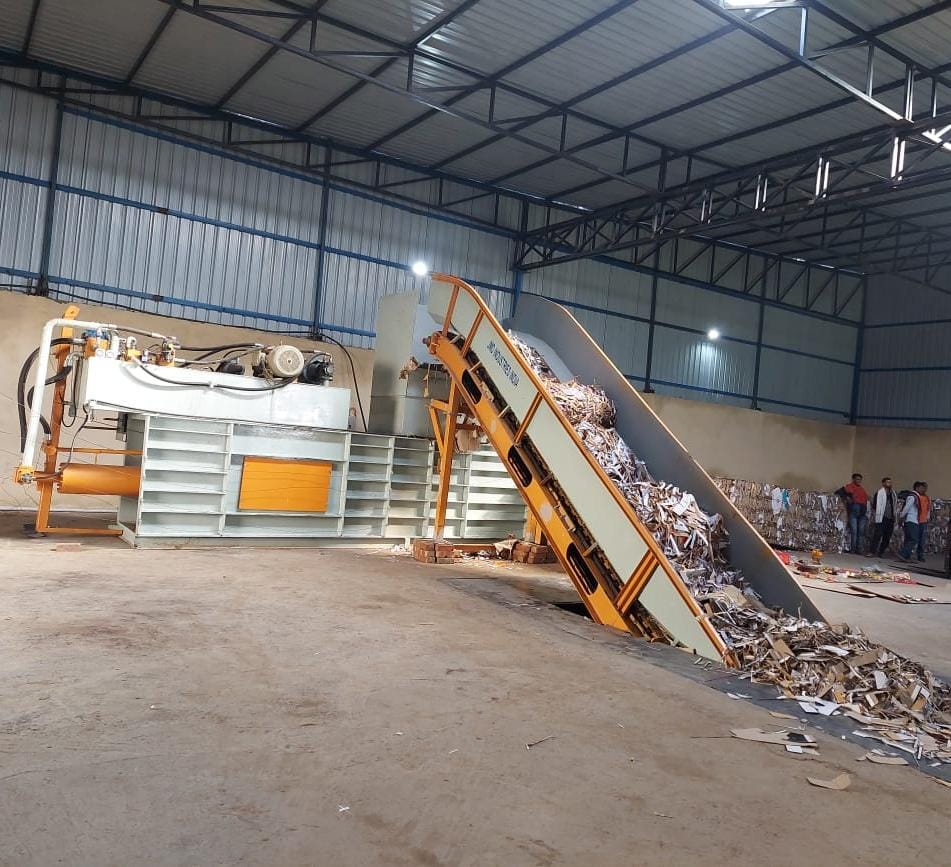
Hydraulic Baling Press Machine for Waste Paper
Streamline recycling with a hydraulic baling press machine engineered for waste paper. This solution compacts loose paper, corrugated boxes, newspapers, and packaging trims into dense, transport-ready bales that cut storage needs, speed dispatch, and improve material recovery rates across plants and warehouses.
Why choose a hydraulic baler for paper waste
A purpose-built hydraulic baler delivers consistent compression, clean bale geometry, and safer handling. With rugged frames, precision hydraulics, and easy operator controls, these machines support continuous shifts, reduce manual effort, and standardize bale weights for smoother downstream logistics.
Types of waste paper baling presses
- Vertical baling press – compact footprint and simple loading for retail stores, small warehouses, and print rooms.
- Horizontal baling press – higher throughput and continuous feeding suited to recyclers and large distribution hubs.
- Fully automatic baler – automated feeding, strapping, and bale ejection for high-volume material recovery facilities.
- Semi-automatic baler – balanced option combining manual loading with automated compression and ejection.
Key features for paper baling performance
- High-pressure hydraulic system for uniform, dense bales that stack safely in storage and transit.
- Adjustable bale size and tying options using steel or PP straps to match transport and mill intake requirements.
- Operator-friendly control panel, interlocks, and emergency stop systems for better shop-floor safety.
- Heavy-gauge structure, wear plates, and guided rams for reliable alignment and long service life.
- Energy-optimized power pack to reduce running costs without compromising cycle time.
Where a paper baler fits best
- Recycling centers consolidating mixed paper, OCC, and trim waste into standardized bales.
- E-commerce and logistics hubs handling daily carton inflow from reverse logistics and unpacking lines.
- Printing and packaging units compacting offcuts and makeready waste for cleaner production floors.
- Retail chains and supermarkets managing back-room cardboard waste with tidy, scheduled bale dispatch.
Operational benefits you can expect
- Reduced floor space and cleaner aisles through immediate compaction at source.
- Standard bale weights that simplify selling, invoicing, and freight planning.
- Lower handling effort and fewer trips to yard due to higher bale density.
- Improved safety and compliance with guarded zones and interlocked doors.
- Scalable configurations to match seasonal peaks and multi-shift operations.
Selection guide for your waste paper baler
Match throughput (kg/hour), material type (OCC, mixed paper), bale dimensions, and available area to the press category. Review cycle time, ram force, motor rating, and tying method alongside service access and consumables availability. Prioritize models with clear maintenance points and strong local support.
Maintenance and operating tips
- Inspect oil level, filters, and hoses at routine intervals to maintain consistent pressure and cycle timing.
- Clean feed chamber and shear edges to avoid jams from tape, plastic film, or strapping remnants.
- Check strap tensioners and guides to keep bales tight and stable during handling.
- Train operators on safe loading patterns and lockout procedures before maintenance.
- Log operating hours and schedule preventive checks to minimize unplanned downtime.
FAQs – Hydraulic Baling Press Machine for Waste Paper
1. Which baler is ideal for corrugated boxes and mixed paper?
+
Vertical presses work well for low to medium volumes and limited space, while horizontal or fully automatic lines suit high-throughput facilities with continuous inflow.
2. Can bale size be customized for truck height or mill specs?
+
Yes, many models allow adjustable bale length and multiple tying options so bales match handling equipment and mill intake guidelines.
3. What impacts bale density the most?
+
Material moisture, ram force, dwell time, and tying tension all influence final density. Consistent feed and correct strap setup deliver the best results.
4. How much floor space is typically required?
+
Vertical presses occupy minimal footprint and can fit near waste generation points; horizontal and automatic lines need space for conveyors, bundle ejection, and staging.
5. What after-sales support should I look for?
+
Prefer suppliers with on-site service coverage, quick-ship spares, operator training, and preventive maintenance programs.
Contact Details
Talk to our specialists today for tailored solutions and fast assistance.
Company:
Jmd Baler
WhatsApp:
Chat on WhatsApp
Email:
jmdindustries9412@gmail.com
Website:
www.jmdbaler.com
Address:
PLOT NO 71/72 Avdhesh industrial hub, Bhavda - Bakrol, Bhavda patiya, Ahmedabad, Gujarat.