
Jmd Industries · Industrial Blog
Hydraulic Shredder Machine
Expertly manufactured hydraulic shredder machines in Ahmedabad. JMD Industries offers durable, efficient solutions for waste reduction and material processing.
What is a Hydraulic Shredder Machine — Overview
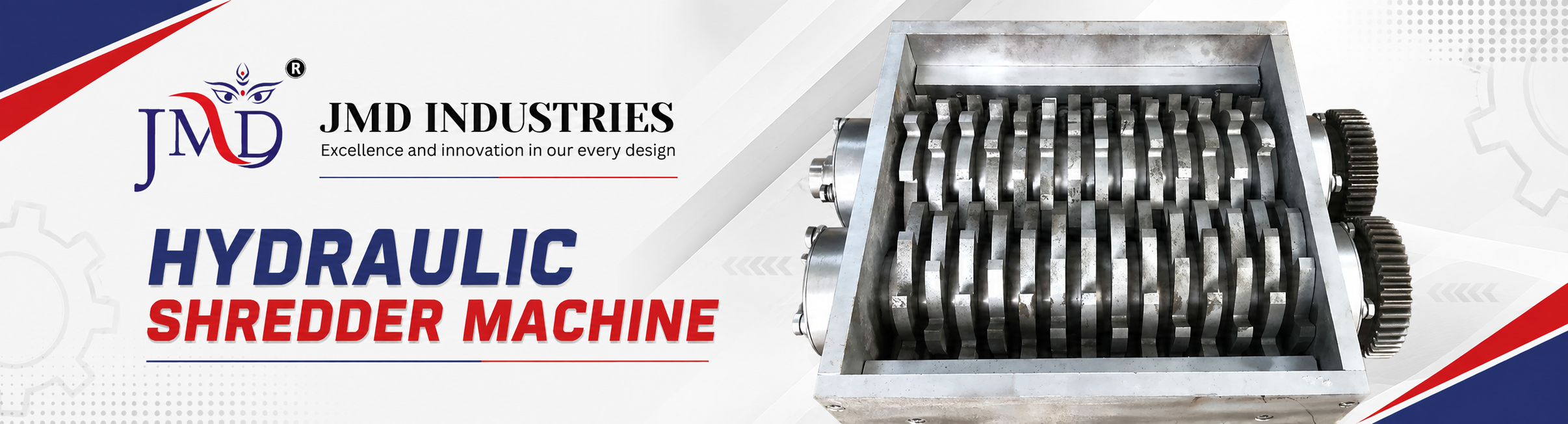
A hydraulic shredder machine is a heavy-duty industrial equipment designed to reduce the size of various materials through cutting and tearing action. It utilizes powerful hydraulic systems to drive rotating shafts equipped with cutting blades or teeth. These shafts rotate at controlled speeds, effectively breaking down larger items into smaller, more manageable pieces. The process is driven by hydraulic fluid pressure, allowing for immense torque and the ability to process tough materials like plastics, metals, wood, textiles, and even electronic waste.
Key Features and Technical Specifications
- Robust Hydraulic System: Ensures consistent power and torque for efficient shredding of dense materials.
- Heavy-Duty Cutting Rotors: Constructed from hardened steel, designed for durability and effective material breakdown.
- Interchangeable Cutting Blades: Allows for customization based on the material being processed and desired output size.
- Variable Rotor Speed Control: Enables optimization of shredding performance for different material types.
- Integrated Safety Features: Includes emergency stop buttons, safety guards, and overload protection systems.
- Dust Suppression System: Minimizes airborne dust during operation, improving workplace safety and environmental compliance.
- PLC Control Panel: Offers user-friendly operation, monitoring, and diagnostics for efficient management.
- Customizable Hopper and Discharge Options: Adaptable to specific site layouts and material handling requirements.
Industrial Applications and Use Cases
- Plastic Recycling: Breaking down plastic bottles, containers, and manufacturing scrap into granules for reprocessing.
- Metal Scrap Reduction: Shredding aluminum cans, copper wire, and light ferrous metals to reduce volume for smelting.
- Textile Waste Processing: Reducing fabric scraps and industrial textiles for recycling or energy recovery.
- Paper and Cardboard Recycling: Shredding large volumes of paper waste and cardboard to facilitate easier baling and recycling.
- E-Waste Management: Dismantling and reducing electronic components for material recovery.
- Wood and Pallet Recycling: Breaking down wooden pallets and construction debris for reuse or disposal.
- General Waste Reduction: Compacting bulky waste items from commercial or industrial facilities.
- Document Destruction: Securely shredding confidential documents and sensitive materials.
How to Choose the Right Hydraulic Shredder Machine
Selecting the appropriate hydraulic shredder machine is crucial for maximizing efficiency and return on investment. Consider these factors:
- Material Type and Volume: Identify the primary materials you need to shred and the daily volume. This dictates the required power, rotor design, and throughput capacity.
- Desired Output Size: Determine the size of the shredded material needed for your downstream processes (e.g., baling, granulation, disposal).
- Throughput Capacity: Ensure the machine can handle your expected workload within your operational timeframe.
- Power Requirements: Verify compatibility with your existing electrical infrastructure.
- Space and Installation: Assess the physical footprint of the machine and any necessary supporting infrastructure.
- Safety Certifications: Look for machines that meet relevant industrial safety standards.
- Supplier Support and Service: Evaluate the manufacturer's reputation for reliability, after-sales service, and spare parts availability.
- Customization Needs: If you have unique material types or site constraints, inquire about custom engineering options.
Quality Standards and Compliance
When investing in a hydraulic shredder machine, verifying adherence to quality standards and compliance is paramount. Reputable manufacturers ensure their equipment meets industry benchmarks for safety, performance, and durability. Look for certifications such as ISO 9001 for quality management systems, which indicates a commitment to consistent product quality. Furthermore, machines should comply with relevant electrical safety standards (like IEC or BIS, depending on the region) and mechanical safety directives to ensure operator protection. Understanding these compliance aspects assures you of a machine built to last and operate safely in demanding industrial environments.
Why JMD Industries' Experience and Capability Matters
With over 15 years of dedicated experience in manufacturing industrial machinery, JMD Industries brings a deep understanding of waste processing challenges. Our expertise lies in engineering robust and reliable hydraulic shredder machines tailored for the diverse needs of Ahmedabad's industrial landscape. We pride ourselves on a meticulous manufacturing process, utilizing high-grade materials and advanced fabrication techniques to ensure the longevity and performance of every unit. Our technical team possesses extensive knowledge in hydraulic systems and cutting technologies, enabling us to offer solutions that are not only powerful but also energy-efficient.
At JMD Industries, quality control is integrated at every stage of production. We conduct rigorous testing to ensure each hydraulic shredder machine meets stringent operational standards before it leaves our facility. Our commitment extends beyond manufacturing; we offer comprehensive after-sales support, including installation guidance and maintenance assistance, ensuring our clients achieve optimal performance and value from their investment. This holistic approach, combining engineering excellence with customer-centric service, makes JMD Industries a trusted partner for your shredding needs.
Installation, Maintenance, and Care Tips
Proper installation and regular maintenance are key to the long-term performance and safety of your hydraulic shredder machine. Ensure the machine is installed on a stable, level surface, with adequate clearance for operation and maintenance access. Connect it to a reliable power source that matches its specifications.
Regular maintenance should include:
- Blade Inspection and Sharpening: Periodically check the cutting blades for wear or damage. Sharpen or replace them as needed to maintain optimal shredding efficiency.
- Hydraulic System Checks: Monitor hydraulic fluid levels and check for leaks. Ensure the system operates smoothly without unusual noises.
- Lubrication: Lubricate moving parts, including rotor bearings and drive components, according to the manufacturer's recommendations.
- Cleaning: Keep the machine clean, especially around the cutting area and discharge chute, to prevent material buildup.
- Safety System Verification: Regularly test emergency stop buttons and safety guards to ensure they are functioning correctly.
Following these guidelines will help prevent downtime, extend the machine's lifespan, and ensure safe operation.
Frequently Asked Questions
A hydraulic shredder machine is versatile and can process a wide range of materials, including plastics, metals, wood, textiles, paper, cardboard, rubber, and certain types of electronic waste. The specific capabilities depend on the machine's design and cutting configuration.
The hydraulic system provides the immense power and torque required to drive the cutting rotors. It allows for precise control over rotor speed and force, enabling the machine to effectively break down tough and dense materials that might overwhelm mechanical drive systems.
With proper maintenance, regular servicing, and adherence to operational guidelines, a well-built hydraulic shredder machine can have a lifespan of 10 to 15 years or even longer. Key factors include the quality of construction, material durability, and the diligence of the maintenance schedule.
While they require significant power due to their robust nature, modern hydraulic shredder machines are designed with energy efficiency in mind. Features like variable speed drives and optimized hydraulic circuits help to minimize energy consumption during operation, especially when processing different material types.
Operators must wear appropriate personal protective equipment (PPE), including safety glasses, gloves, and hearing protection. Ensure all safety guards are in place, never reach into the shredding chamber while the machine is running, and always use the emergency stop button in case of any malfunction or unsafe situation.
It significantly reduces the volume of waste materials, making them easier and more cost-effective to transport, store, and recycle. By breaking down materials into smaller pieces, it also prepares them for further processing, such as granulation or baling, thereby enhancing the overall efficiency of waste management and recycling operations.
Conclusion
For industries in Ahmedabad seeking to optimize their waste management and material processing, a hydraulic shredder machine represents a powerful and efficient solution. It addresses the critical need for volume reduction, cost savings, and improved operational workflow. When selecting a machine, prioritizing robust construction, appropriate capacity, and reliable supplier support is essential. JMD Industries, with its extensive experience and commitment to quality, offers dependable hydraulic shredder machines designed to meet the rigorous demands of industrial applications, contributing to both economic efficiency and environmental responsibility.
Get In Touch
Jmd Industries