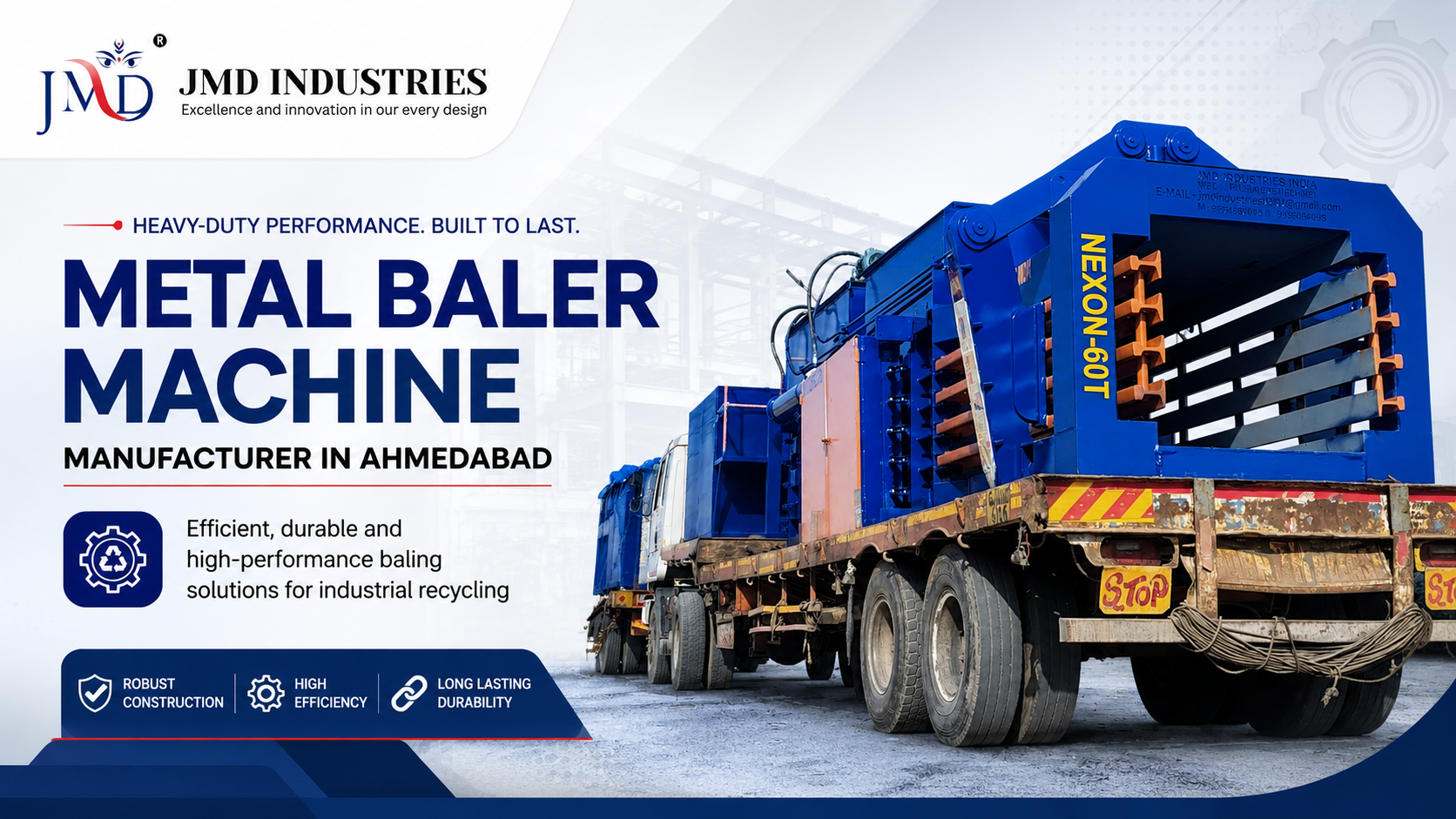

Efficient waste management is a critical component of modern industrial operations. The Fully Automatic Horizontal Baling Press in Ahmedabad provides an advanced solution for managing large volumes of recyclable materials with precision and reliability. Designed for continuous operation, this equipment is capable of processing paper, cardboard, plastics, and other industrial waste materials. Its automated system ensures uniform bale formation, streamlines workflow, and reduces the dependency on manual labor, making it an essential tool for recycling centers, warehouses, and manufacturing units seeking operational efficiency and sustainability.
The horizontal baling press operates on a fully automated mechanism that manages the entire baling process—from feeding and compression to tying and ejection—without constant human intervention. This automation significantly enhances throughput, enabling facilities to handle high-volume waste streams efficiently. A user-friendly control panel allows operators to monitor system performance, adjust compression parameters, and ensure safety during operation. By integrating smart automation features, this baler minimizes operational errors, reduces downtime, and supports consistent bale quality, which is vital for downstream handling and storage.
Constructed from high-quality steel and precision-engineered components, the horizontal baling press is built to endure the demands of continuous industrial usage. Its compact design optimizes warehouse space while providing robust structural integrity. The energy-efficient hydraulic system reduces electricity consumption, lowering operational costs and environmental impact. Maintenance procedures are simplified, allowing teams to access critical components easily for routine inspections and minor repairs. These features collectively enhance machine longevity and reliability, ensuring years of uninterrupted service even under intensive operational conditions.
The Fully Automatic Horizontal Baling Press is versatile and suitable for a variety of industrial environments. Key applications include:
By producing consistently dense bales, the press simplifies material handling, storage, and transportation, contributing to smoother logistics and improved operational workflow. Facilities benefit from reduced clutter, enhanced organization, and streamlined recycling processes, which collectively support operational productivity.
The Fully Automatic Horizontal Baling Press in Ahmedabad offers a range of features designed to enhance industrial operations:
These features allow facilities to achieve higher processing capacity, reduce labor costs, and maintain safety standards. Automation also ensures that operators can focus on monitoring and optimizing the system rather than performing repetitive manual tasks.
Routine maintenance is essential for sustaining optimal performance. Regular inspections of hydraulic systems, sensors, and tie mechanisms help identify wear early, reducing the risk of unexpected downtime. The baler is designed with easy access to all critical components, allowing maintenance personnel to perform checks and minor repairs efficiently. Proper lubrication and timely replacement of wear parts extend the machine’s lifespan while maintaining consistent bale quality. By following a proactive maintenance schedule, facilities can maximize uptime and achieve predictable operational performance.
Efficiency in a horizontal baling press is evaluated by bale consistency, throughput speed, and minimal downtime. The JMD Industries model integrates advanced sensors and precision hydraulic systems that ensure uniform compression and prevent under-compression or uneven bales. Consistent bale density improves handling and storage downstream, facilitating better logistics and transportation management. Additionally, precise automation reduces the risk of machine errors, supporting higher productivity levels and a safer working environment.
Choosing an appropriate baling press requires consideration of multiple operational factors:
By evaluating these parameters, industrial operators in Ahmedabad can select a baler that maximizes efficiency, meets production requirements, and integrates seamlessly with existing facility operations.
Investing in a Fully Automatic Horizontal Baling Press supports eco-friendly industrial practices. Efficient bale formation reduces storage space, lowers the frequency of transportation, and minimizes energy consumption. The machine’s energy-efficient design ensures minimal electricity usage, contributing to overall sustainability goals. By streamlining recycling processes, facilities reduce landfill dependency, lower carbon emissions, and promote responsible waste management. Sustainable operations not only align with environmental regulations but also enhance a company’s reputation in the industrial sector.
Ahmedabad is a hub of manufacturing, packaging, and distribution activities, generating substantial volumes of recyclable waste. Automated baling solutions are essential to meet the city’s demand for organized, high-capacity waste processing. The JMD Industries horizontal baler is specifically engineered to support local industrial requirements, enabling companies to manage waste efficiently while maintaining safety, productivity, and environmental responsibility.
The horizontal baler can seamlessly integrate with existing conveyors, shredders, and other material handling equipment. Automatic transfer of materials to the baler ensures continuous processing, reducing bottlenecks and manual intervention. Integration enhances facility workflow, allowing operators to monitor operations without direct handling of heavy materials. This interoperability with other industrial systems increases overall efficiency, reduces labor requirements, and ensures consistent operational throughput.
Industrial safety is paramount when operating heavy machinery. The baler includes multiple safety features such as emergency stop mechanisms, protective guarding, and intuitive user interfaces. These measures minimize the risk of accidents and injuries during operation. Compliance with industrial safety standards ensures the equipment can be operated reliably and meets regulatory requirements applicable in Ahmedabad’s industrial sector. Operators are trained to follow safe operating procedures, further reinforcing workplace safety.
Beyond initial purchase costs, total cost of ownership includes energy consumption, maintenance, labor efficiency, and operational throughput. Fully automated presses from JMD Industries are designed to minimize downtime, enhance bale quality, and reduce manual labor requirements. Optimized bale density and reduced handling contribute to cost savings over the long term. Investing in a high-quality horizontal baling press ensures a favorable return on investment through increased productivity, operational efficiency, and sustainable industrial practices.
Incorporating a horizontal baling press into facility operations streamlines waste management processes. Automated feeding, compression, and ejection reduce handling time, while uniform bales simplify stacking, storage, and transportation. Operational efficiency improves with predictable cycle times and consistent bale quality. Facilities benefit from reduced labor costs, less material wastage, and enhanced operational safety. The automation also allows personnel to focus on process monitoring, quality control, and overall facility management.
This fully automated baler finds applications across multiple sectors, including:
The versatility of the horizontal baler makes it suitable for both small-scale and large-scale industrial operations. By adapting to various waste types and volumes, it provides a reliable solution for diverse operational environments.
The integration of automated baling technology enhances productivity by minimizing manual intervention and ensuring continuous operation. Operators can adjust compression settings, monitor bale formation, and manage workflow using the control interface. Reduced downtime, coupled with uniform bale production, supports faster material handling and smoother supply chain operations. This efficiency is particularly valuable in high-volume industrial facilities where time and precision directly impact productivity.
While the baler’s automation reduces manual labor, basic operator training is recommended. Training focuses on system monitoring, safety protocols, and routine maintenance procedures. Operators learn to troubleshoot minor issues, manage bale ejection, and optimize machine performance. Well-trained personnel ensure safe, effective, and consistent operation, further enhancing productivity and operational reliability.
The Fully Automatic Horizontal Baling Press in Ahmedabad by JMD Industries is a reliable, efficient, and sustainable solution for industrial recyclables management. Its automated operation, robust construction, and energy-efficient design make it ideal for warehouses, recycling centers, and manufacturing facilities. Investing in this technology enhances operational efficiency, safety, and environmental responsibility, meeting the growing demand for effective waste management in Ahmedabad’s industrial sector.
The press can process paper, cardboard, plastics, and other common industrial waste materials. It accommodates varying densities to ensure uniform bales.
Its compact design allows flexible installation in warehouses and recycling centers while maintaining safe operational clearances.
Yes, basic training ensures operators can manage control systems, understand safety features, and perform routine maintenance effectively.
Routine hydraulic inspections, lubrication, and tie mechanism checks are recommended. Maintenance frequency depends on usage and material type.
Yes, it can connect with existing material handling systems for continuous operation and enhanced workflow efficiency.
Emergency stop functions, protective guarding, and user-friendly controls safeguard operators during all stages of operation.
By compacting recyclables efficiently, it reduces storage requirements, lowers transportation frequency, and minimizes energy consumption, supporting environmentally responsible operations.
JMD INDUSTRIES | All Rights Reserved.