
Jmd Industries · Industrial Blog
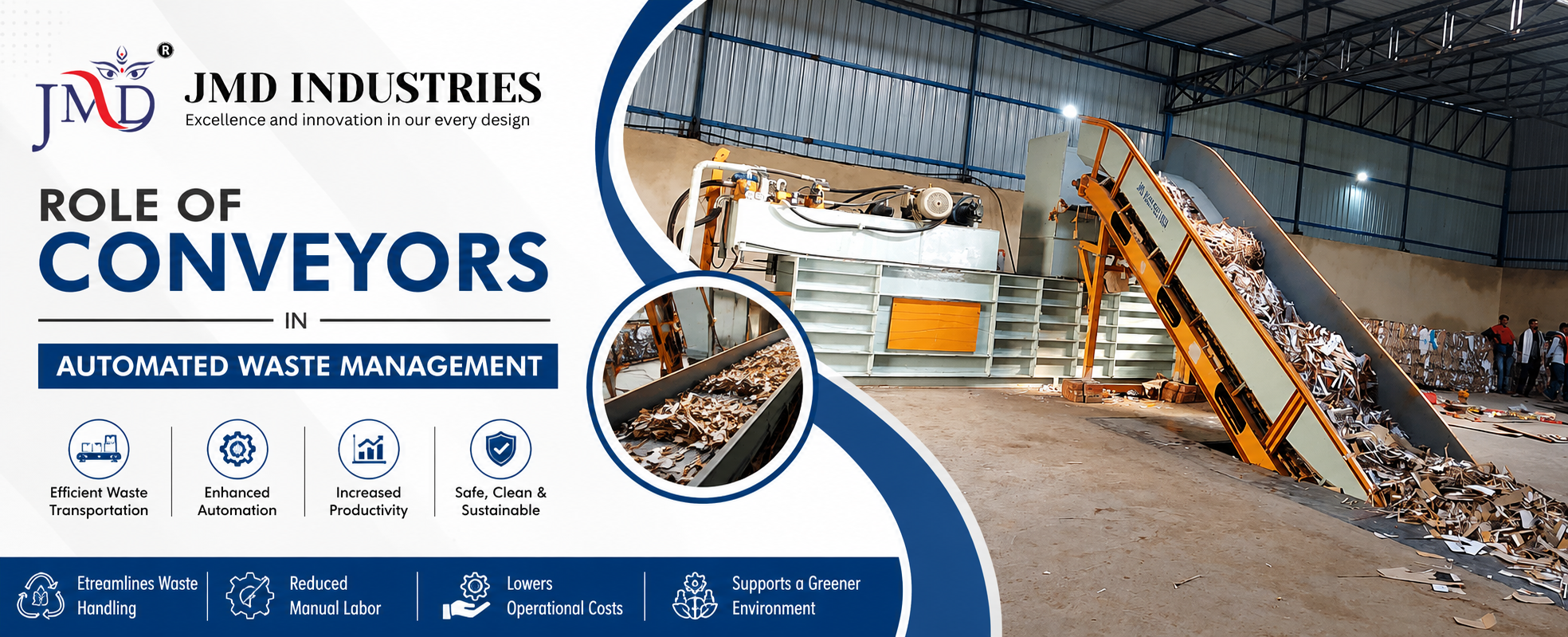
Role of Conveyors in Automated Waste Management
Explore the vital role of conveyors in optimizing automated waste management and recycling operations in Ahmedabad, Gujarat. Enhance efficiency and safety.
Why This Matters in Ahmedabad
Ahmedabad, a significant industrial and commercial hub in Gujarat, experiences substantial waste generation from its diverse sectors, including textiles, manufacturing, pharmaceuticals, and a rapidly growing urban population. The push for sustainable practices and stricter environmental regulations means that efficient waste processing is no longer optional. Industries here require robust, reliable solutions to handle everything from paper and plastic to metal scrap, making automated material handling, particularly through advanced conveyor systems, essential for maintaining productivity and compliance.
What is a Conveyor — Overview
A conveyor system is a mechanical device designed to transport materials from one point to another within a facility. In automated waste management, conveyors form the backbone of material flow, moving raw waste, sorted recyclables, or processed materials between different stages like shredding, sorting, baling, or storage. These systems are engineered to handle various material types and volumes, ensuring a continuous and uninterrupted workflow, which is crucial for high-throughput recycling and waste processing plants.
Key Features and Technical Specifications
- Robust Construction: Engineered with heavy-duty steel frames and components to withstand abrasive materials and continuous operation.
- Variable Speed Control: Allows operators to adjust material flow rates to match the demands of downstream processing equipment.
- Modular Design: Facilitates easy customization, expansion, or reconfiguration to adapt to changing operational needs or facility layouts.
- Material-Specific Belting: Utilizes specialized belts (e.g., rubber, PVC, metal slat) chosen for resistance to wear, chemicals, or high temperatures.
- Integrated Safety Features: Includes emergency stop buttons, belt guards, and anti-rollback devices to protect personnel and prevent accidents.
- Low Friction Rollers: Designed to minimize energy consumption and reduce wear on the belt, extending operational life.
- Dust and Debris Management: Incorporates features like skirting and scrapers to control fugitive dust and prevent material buildup.
Industrial Applications and Use Cases
- Material Recovery Facilities (MRFs): Transporting mixed recyclables from receiving areas to sorting stations and then to balers.
- Paper and Cardboard Recycling: Moving bulk paper, newsprint, and corrugated cardboard to shredders and baling presses.
- Plastic Recycling Plants: Conveying PET bottles, HDPE containers, and other plastic waste through washing, shredding, and granulation processes.
- Metal Scrap Yards: Handling ferrous and non-ferrous metals for sorting, shearing, or baling operations.
- Waste-to-Energy Facilities: Feeding pre-processed municipal solid waste (MSW) into combustion chambers.
- Industrial Manufacturing Waste: Managing production scrap, off-cuts, and packaging waste for internal recycling or disposal.
- Composting Facilities: Moving organic waste through shredding, mixing, and aeration stages.
How to Choose the Right Conveyor System
Selecting an appropriate conveyor system requires careful consideration of several operational factors. The right choice ensures seamless integration with existing machinery and maximizes overall efficiency. Buyers should evaluate their specific needs against the capabilities of available systems.
- Material Characteristics: Assess the type, density, size, and abrasiveness of the waste materials to be transported.
- Throughput Requirements: Determine the necessary volume or weight of material to be moved per hour to match production goals.
- Space and Layout Constraints: Consider the available floor space, elevation changes, and turns required within the facility.
- Integration with Existing Equipment: Ensure compatibility with shredders, balers, sorters, and other machinery in the waste stream.
- Environmental Conditions: Account for factors like dust, moisture, temperature, and potential corrosive agents in the operating environment.
- Energy Efficiency: Evaluate the power consumption of the motor and drive system to minimize operational costs.
- Supplier Reputation and Support: Choose a supplier with proven experience in waste management solutions and reliable after-sales service.
Quality Standards and Compliance
Adhering to established quality standards and compliance protocols is fundamental for industrial conveyor systems, especially in demanding waste management environments. Buyers should verify that equipment meets relevant safety and performance benchmarks. This includes compliance with mechanical safety directives, electrical safety standards, and any specific industry regulations for material handling equipment. Certifications such as ISO 9001 for quality management indicate a manufacturer's commitment to consistent product quality. Additionally, structural integrity and material specifications should meet or exceed Indian Standards (IS) where applicable, ensuring durability and safe operation over time.
Why Company Experience and Capability Matters
The effectiveness of a conveyor system in an automated waste management setup relies heavily on the manufacturer's experience and technical capability. Jmd Industries, with over 15 years in the field and more than 250 installations, understands the nuances of designing robust material handling solutions. Our manufacturing process emphasizes durable construction and precise engineering, ensuring that each conveyor can withstand the rigorous demands of continuous industrial use. We focus on integrating our conveyors seamlessly with other waste processing equipment, such as baling presses and shredders, providing a cohesive system. Our team's technical expertise allows for customization to specific material types and throughput requirements, while our quality control procedures ensure reliable performance and operational longevity. Located in Ahmedabad, Gujarat, we are positioned to offer responsive after-sales support and maintain the efficiency of installed systems.
Installation, Maintenance and Care Tips
Proper installation and ongoing maintenance are crucial for the longevity and efficient operation of any industrial conveyor system. Following manufacturer guidelines is essential to prevent downtime and ensure safety.
- Professional Installation: Ensure the conveyor is installed by experienced technicians, with correct alignment and tensioning of belts or chains.
- Regular Cleaning: Periodically remove accumulated waste, dust, and debris from the belt, rollers, and frame to prevent blockages and wear.
- Lubrication Schedule: Adhere to the manufacturer's lubrication schedule for bearings, chains, and other moving parts to reduce friction and extend component life.
- Belt Inspection: Routinely check belts for cuts, tears, excessive wear, or misalignment. Address any issues promptly to prevent further damage.
- Component Checks: Inspect rollers, idlers, and drive components for signs of wear, damage, or unusual noise. Replace worn parts proactively.
- Safety Device Verification: Regularly test emergency stop buttons, pull cords, and other safety mechanisms to ensure they are fully functional.
- Power System Review: Check electrical connections, motors, and control panels for proper operation and any signs of overheating or damage.
Frequently Asked Questions
Conveyors are highly versatile and can handle a wide array of waste materials. This includes various forms of paper and cardboard, different types of plastics like PET and HDPE, metal scraps, organic waste, and even mixed municipal solid waste. The specific design and belt material of the conveyor are chosen based on the characteristics of the waste it is intended to transport, ensuring efficient and reliable movement.
Conveyors play a crucial role in feeding baling presses by consistently delivering sorted waste materials directly into the baler's hopper. This automated feeding mechanism ensures a steady supply of material, maximizing the baler's operational efficiency and throughput. The conveyor's speed can often be synchronized with the baler to optimize the compaction process and minimize manual intervention.
Automated conveyor systems offer several significant benefits, including enhanced operational efficiency by ensuring continuous material flow, reduced manual labor requirements, and improved workplace safety by minimizing human interaction with hazardous waste. They also contribute to better sorting accuracy and higher throughput, leading to more effective recycling and waste processing outcomes.
Yes, various types of conveyors are adapted for waste management, each suited for different materials and applications. Common types include belt conveyors for general waste, chain conveyors for heavier or more abrasive materials, and vibratory conveyors for fine particles or specific sorting tasks. The selection depends on the material characteristics, volume, and the specific stage of the waste processing line.
Conveyor durability is extremely important in a recycling plant due to the harsh and demanding nature of the materials handled. Waste materials can be abrasive, heavy, and often contain sharp objects, leading to significant wear and tear. A durable conveyor system, built with robust materials and components, ensures consistent operation, reduces maintenance needs, and extends the lifespan of the equipment.
Key safety features in a waste management conveyor system include emergency stop buttons placed at accessible points along the conveyor, protective guards over moving parts like belts and rollers, and anti-rollback devices to prevent material from sliding backward on inclines. Additionally, proper lockout/tagout procedures and clear warning labels are essential for operator safety during maintenance and operation.
Conclusion
The integration of robust conveyor systems is fundamental to achieving efficient and sustainable waste management in industrial settings, particularly within a dynamic region like Ahmedabad. These systems provide the necessary backbone for automated material flow, enhancing productivity, improving safety, and supporting environmental objectives. By carefully considering material types, throughput, and the specific operational environment, businesses can select conveyor solutions that align with their long-term waste processing goals. Partnering with experienced manufacturers who prioritize durable design and reliable support ensures that these critical components contribute effectively to a more streamlined and responsible approach to waste.
Get In Touch
Jmd Industries