
Jmd Industries · Industrial Blog
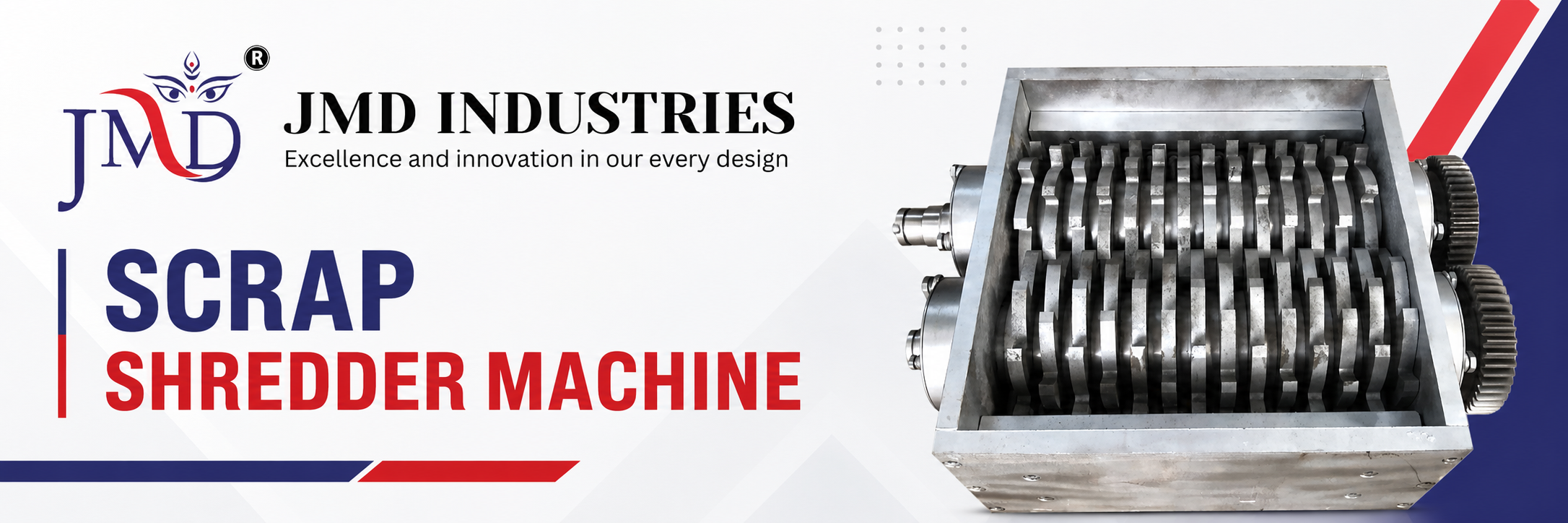
Scrap Shredder Machine
Find reliable scrap shredder machines in Ahmedabad. JMD Industries offers robust solutions for efficient waste processing and material recovery.
What is a Scrap Shredder Machine? — Overview
A scrap shredder machine is a heavy-duty industrial equipment designed to break down large or bulky waste materials into smaller, more manageable pieces. It typically employs rotating blades or hammers to tear, cut, or pulverize materials. These machines are engineered to handle a wide array of substances, including metals, plastics, paper, cardboard, textiles, and even electronic waste. By reducing the volume of scrap, shredders facilitate easier transportation, increase storage density, and prepare materials for further processing like melting, granulation, or baling.
Key Features and Technical Specifications
- Robust Blade Design: High-strength steel blades or hammers, often heat-treated for durability, ensure efficient cutting and tearing of various materials.
- Powerful Motor: Industrial-grade electric motors provide the necessary torque and power to drive the shredding mechanism, handling dense materials.
- Variable Rotor Speed: Allows for adjustment based on material type and desired output size, optimizing shredding performance.
- Integrated Screen/Sieve: Controls the output particle size, ensuring uniformity of shredded material.
- Heavy-Duty Construction: Robust steel frame and components designed to withstand continuous operation and impact from tough materials.
- Safety Interlocks: Multiple safety features, including emergency stops and guards, protect operators during use.
- Dust Suppression System: Optional systems to minimize airborne dust during the shredding process.
Industrial Applications and Use Cases
- Metal Recycling: Reducing scrap metal (e.g., car parts, appliances, industrial offcuts) into smaller pieces for easier melting and reprocessing.
- Plastic Waste Reduction: Shredding plastic bottles, containers, films, and manufacturing scrap for granulation and reuse.
- Paper and Cardboard Recycling: Breaking down large volumes of paper waste, cardboard boxes, and documents for efficient baling and recycling.
- Textile Waste Processing: Shredding fabric scraps and old garments to create recycled fibers for insulation, upholstery, or new textiles.
- Electronic Waste (E-waste) Management: Pre-shredding electronic components to liberate valuable metals and facilitate safe disposal.
- Wood and Pallet Recycling: Breaking down wooden pallets, crates, and construction debris for reuse or energy generation.
- General Industrial Waste: Processing a wide range of manufacturing by-products and general refuse to reduce volume.
How to Choose the Right Scrap Shredder Machine
Selecting the appropriate scrap shredder machine is critical for operational success. Consider these factors:
- Material Type: What specific materials will you be shredding most frequently? (e.g., hard metals, soft plastics, mixed waste).
- Throughput Capacity: How much material do you need to process per hour or per day?
- Desired Output Size: What size particles do you require for your downstream processes?
- Power Requirements: Ensure your facility can support the machine's electrical needs.
- Space Availability: Measure the installation area and consider access for loading and unloading.
- Durability and Build Quality: Look for robust construction and high-quality components for long-term reliability.
- Supplier Support: Investigate the availability of installation, maintenance, and spare parts.
- Safety Features: Verify that the machine meets all relevant safety standards.
Quality Standards and Compliance
When procuring a scrap shredder machine, it's vital to ensure it meets recognized quality and safety standards. Look for manufacturers who adhere to stringent quality control processes, often certified by ISO standards. Compliance with local environmental regulations regarding noise and dust emissions is also a key consideration. Verifying that the machine's electrical components meet relevant safety certifications (e.g., CE marking where applicable) ensures operational safety and reliability. A reputable supplier will be transparent about their manufacturing standards and the certifications their equipment holds.
Why JMD Industries' Experience and Capability Matters
With over 15 years of experience in manufacturing industrial machinery, JMD Industries brings a deep understanding of waste management challenges to Ahmedabad. Our expertise lies in designing and producing robust, high-performance horizontal baling presses and related equipment, including shredders. We focus on engineering excellence, ensuring our machines are built for durability and efficiency.
Our manufacturing process emphasizes quality control at every stage, from material selection to final assembly. This commitment translates into reliable equipment that minimizes downtime and maximizes productivity for our clients. We understand the specific needs of industries operating in Gujarat and can offer tailored solutions. Our technical team possesses the capability to develop machines that meet precise operational requirements, ensuring you receive a scrap shredder that truly fits your application.
Installation, Maintenance, and Care Tips
Proper installation and regular maintenance are key to maximizing the lifespan and performance of your scrap shredder machine.
- Installation: Ensure the machine is installed on a stable, level surface. Connect it to the appropriate power supply with proper grounding. Allow adequate clearance around the machine for operation and maintenance access.
- Pre-Operation Checks: Before each use, inspect the shredding chamber for any foreign objects. Check that all safety guards are in place and secure.
- Material Loading: Feed material steadily and avoid overloading the machine. Ensure materials are free from excessively hard contaminants like large bolts or concrete chunks unless the shredder is specifically designed for them.
- Regular Lubrication: Follow the manufacturer's recommendations for lubricating moving parts, especially the cutting blades and bearings.
- Blade Maintenance: Regularly inspect the shredder blades for wear or damage. Sharpen or replace them as needed to maintain optimal cutting efficiency.
- Cleaning: Keep the machine clean, especially the shredding chamber and discharge area, to prevent material buildup.
- Scheduled Inspections: Conduct periodic inspections of the motor, drive system, and structural components to identify any potential issues early.
Frequently Asked Questions
A typical scrap shredder machine can process a wide range of materials including scrap metal, plastics, paper, cardboard, textiles, rubber, and some types of electronic waste. The specific capabilities depend on the model and its design, with some machines optimized for particular material types.
By breaking down large items into smaller pieces, the machine significantly reduces the overall volume of the waste. This makes it easier and more cost-effective to transport, store, and prepare the material for recycling or disposal.
The lifespan of a scrap shredder machine can vary greatly depending on its build quality, the materials it processes, and the regularity of its maintenance. With proper care and routine servicing, a well-maintained industrial shredder can operate reliably for many years.
Scrap shredder machines require significant power to operate their heavy-duty motors and cutting mechanisms. Energy consumption will depend on the machine's size, motor power, and the type and volume of material being shredded.
Operators must wear appropriate personal protective equipment (PPE), including safety glasses, gloves, and sturdy footwear. Ensure all safety guards are in place, never force material into the machine, and be aware of emergency stop procedures.
To determine the right size, consider the type and volume of material you process daily, the desired output size, and the available space. Consulting with a manufacturer like JMD Industries can help assess your specific requirements and recommend the most suitable model.
Conclusion
For businesses in Ahmedabad grappling with waste management challenges, a reliable scrap shredder machine offers a practical and efficient solution. By reducing material volume, enhancing recyclability, and streamlining operations, these machines contribute significantly to both cost savings and environmental responsibility. When selecting a shredder, prioritizing robust construction, appropriate specifications for your materials, and a supplier with proven experience, like JMD Industries, is essential for long-term operational success. Investing in the right equipment is a step towards more sustainable and efficient industrial practices.
Get In Touch
Jmd Industries