
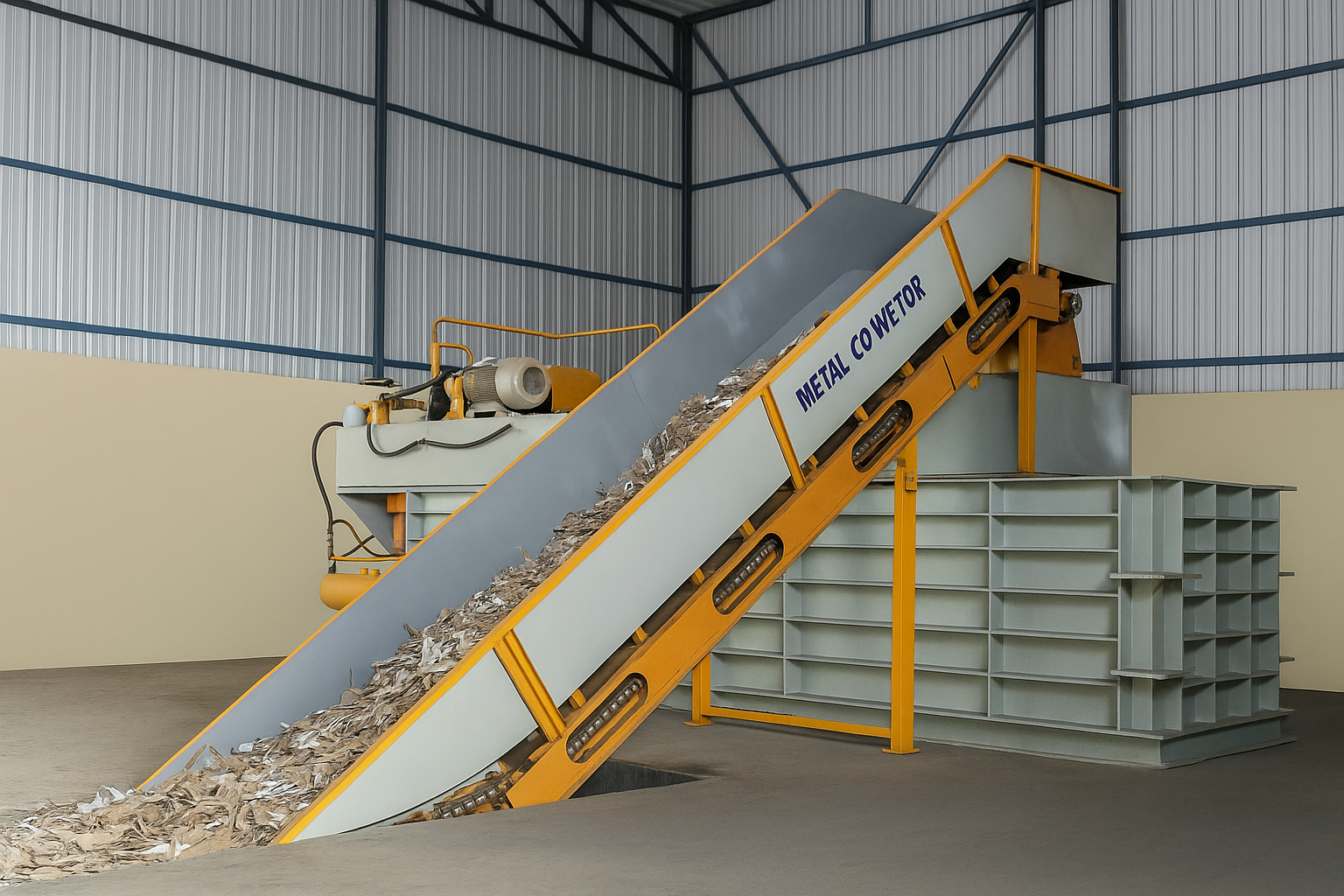
Small Hydraulic Vertical Baling Press Suppliers
Introduction
Looking for a dependable small hydraulic vertical baling press supplier to streamline your waste handling and recycling workflow? Small vertical balers are compact, easy to operate, and built to compress cardboard, paper, plastic film, textile scraps, and other light-to-medium recyclables into tight bales. Ideal for businesses with limited space, these machines help reduce storage volume, improve cleanliness, and make material handling more organized for pickup or internal transport.
Why Choose a Trusted Supplier for a Small Vertical Baler
A reliable supplier provides more than a machine—they deliver correct capacity guidance, robust build quality, safe operating design, and dependable after-sales support. From selecting suitable pressing force and bale size to recommending power options and safety features, experienced suppliers ensure your baler performs consistently with minimal downtime. When you work with an established supplier, you also gain easier access to service engineers, spare parts, and operational training for long-term productivity.
Types of Small Hydraulic Vertical Baling Press Machines
- Entry-Level Compact Vertical Balers – Designed for small shops, offices, and back-of-house areas handling limited daily waste.
- Medium-Duty Vertical Balers – Suitable for warehouses, retail chains, and small industries with regular cardboard and plastic waste flow.
- Multi-Material Vertical Balers – Built to compress mixed recyclables like paper, film, and light plastics with stable bale formation.
- Door-Open / Front-Load Vertical Balers – Easy loading and tying access, ideal for daily operators in tight working spaces.
Key Features Offered by Quality Suppliers
- Space-Saving Footprint – Compact layout that fits near packing areas, loading bays, and storage rooms.
- Strong Hydraulic Pressing System – Consistent compression that produces neat bales for easier stacking and transport.
- Safe Operator Controls – Emergency stop, guarded moving parts, and stable door locking for safer daily operation.
- Easy Tying & Bale Ejection – Practical strapping channels and simple bale removal for faster work cycles.
- Reliable Service Support – Availability of maintenance guidance, spare parts, and quick troubleshooting assistance.
Industries & Applications for Small Vertical Balers
- Retail stores and supermarkets managing daily cartons, packaging material, and plastic film waste.
- Warehouses and logistics hubs reducing loose cardboard volume and keeping dispatch areas tidy.
- Printing and paper units compressing paper trimmings and rejected sheets into stackable bales.
- Textile and garment units handling fabric scraps, packaging waste, and lightweight recyclable offcuts.
- Food and FMCG packaging areas compacting dry packaging waste for cleaner and safer work zones.
Benefits of Buying from the Right Supplier
- Correct machine selection based on waste type, daily volume, and available space—avoiding under or over-sizing.
- Improved workplace hygiene and safety by minimizing loose waste piles and clutter in work areas.
- Reduced disposal frequency and better storage management through compact, uniform bales.
- Lower handling time due to organized bale output that is easier to load, stack, and dispatch.
- Better long-term performance with reliable spares support and service availability.
How to Evaluate a Small Hydraulic Vertical Baling Press Supplier
Start by confirming the supplier’s machine build quality, hydraulic components, and safety features. Ask for bale size options, recommended material types, and expected output per shift. A good supplier will share clear operating guidelines, installation support, training details, and warranty coverage. Also confirm after-sales service response time, spare parts availability, and the supplier’s experience across industries like retail, warehousing, and packaging—where small vertical balers are widely used.
Maintenance & Operational Tips
- Check hydraulic oil level and condition regularly to maintain stable pressing force and smooth operation.
- Inspect door locks, safety switches, and emergency stop function weekly for safe day-to-day use.
- Keep the chamber clean from loose debris to prevent jamming and ensure consistent bale formation.
- Train operators on loading limits and tying procedures to reduce cycle delays and avoid overload issues.
- Follow supplier-recommended servicing intervals for seals, hoses, and electrical connections.
FAQs – Small Hydraulic Vertical Baling Press Supplier
1. What materials can a small vertical baler compress?
+
Small vertical balers commonly compress cardboard, paper, plastic film, light plastics, textile scraps, and similar dry recyclables depending on the model capacity.
2. How do I choose the right size small vertical baler?
+
Select based on daily waste volume, material type, available floor space, required bale size, and ease of loading in your work area.
3. Are small vertical balers suitable for warehouses?
+
Yes—compact vertical balers are widely used in warehouses for packaging waste, especially where space is limited but daily cardboard volume is consistent.
4. What after-sales support should a supplier provide?
+
A reliable supplier should provide installation guidance, operator training, warranty support, spare parts availability, and service assistance for troubleshooting.
5. How often should maintenance be done?
+
Basic checks can be weekly, while scheduled servicing depends on operating hours. Follow the supplier’s maintenance chart for oil, seals, electrical, and safety systems.
Contact Details
Talk to our specialists today for tailored solutions and fast assistance.
Company:
Jmd Baler
WhatsApp:
Chat on WhatsApp
Email:
jmdindustries9412@gmail.com
Website:
www.jmdbaler.com
Address:
PLOT NO 71/72 Avdhesh industrial hub, Bhavda - Bakrol, Bhavda patiya, Ahmedabad, Gujarat.